In passionate voices of discerning booksellers at ‘this is a bookstore‘
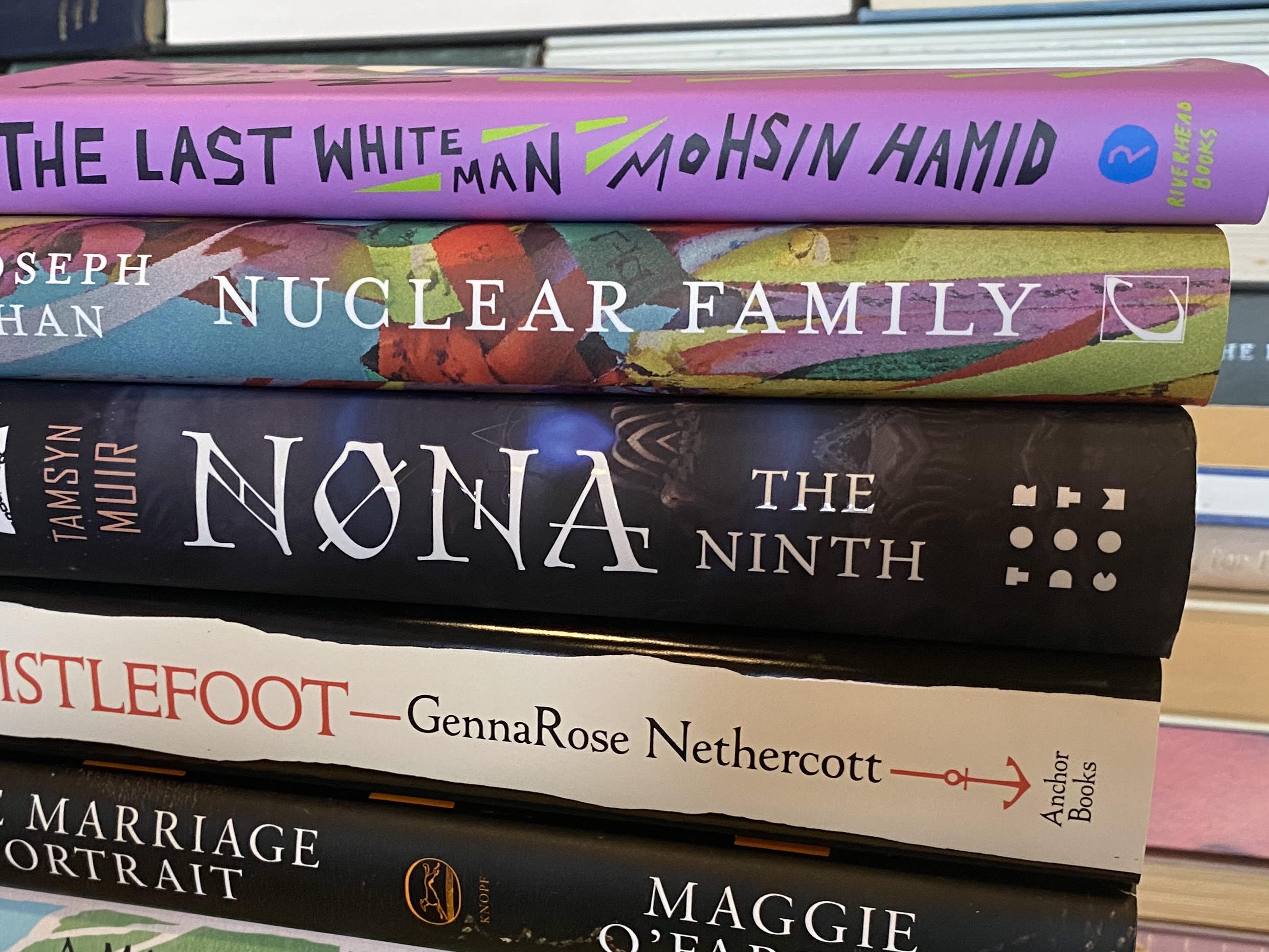
Nuclear Family, by Joseph Han
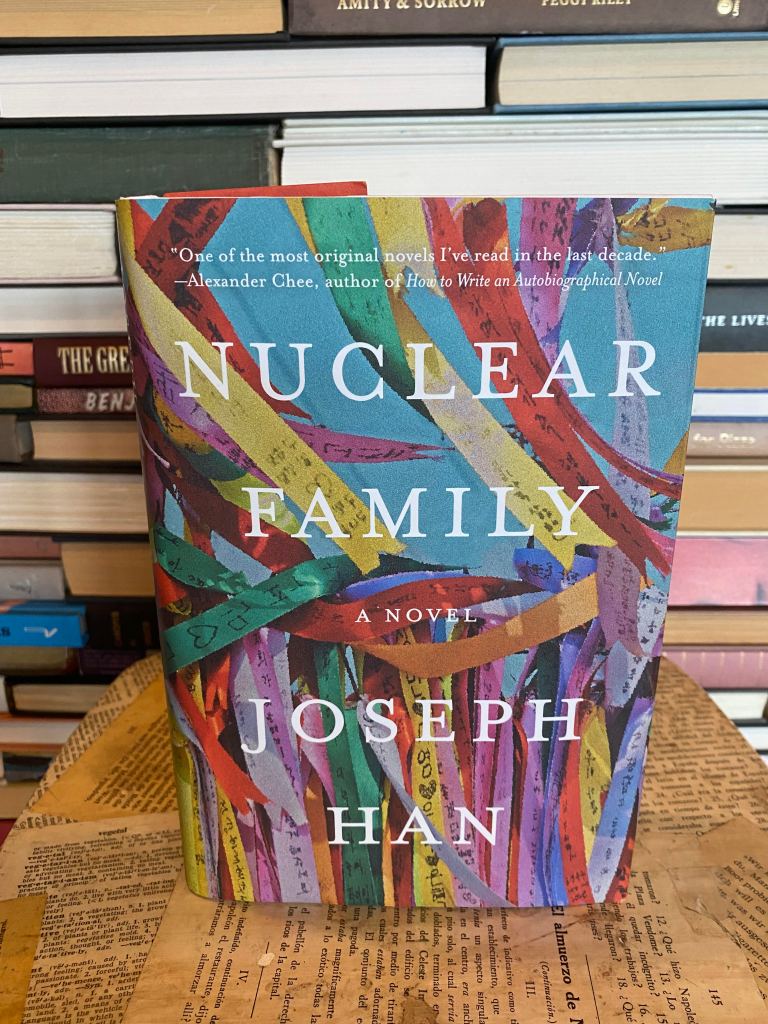
Jacob, a Korean American, leaves his home in Hawaii to teach English in Korea where he finds himself possessed by the ghost of his grandfather. The ghost must return to North Korea to find the family he left upon Korea’s mid-century division and must use his grandson as a vessel across Korea’s (actual and metaphysical) demilitarized zone. Jacob is then caught and taken into custody, and his family (who runs a chain of Korean plate-lunch restaurants in Hawaii) must face the scandal of their son breaching the Korean DMZ.
But these are just touchpoints of the narrative; it is the intergenerational trauma of ongoing Korean diaspora, the devastation of US military occupation in both Korea and Hawaii, and the often hilarious voices of family members, that are the peculiar beating heart of this book. Peculiarity is this book’s strength and compassion. It is a queer, stoner, Korean ghost story with arteries of US military occupation and its poisonous impacts, but it is also a story of loving each other through real and perceived walls, wars, and deaths. I learned so much about Korea in reading this book and about the history of that region and our (US) involvement, but what will continue to haunt, is how the division of that country decimated families who grieve their dispossession and detachment for generations. – Anne
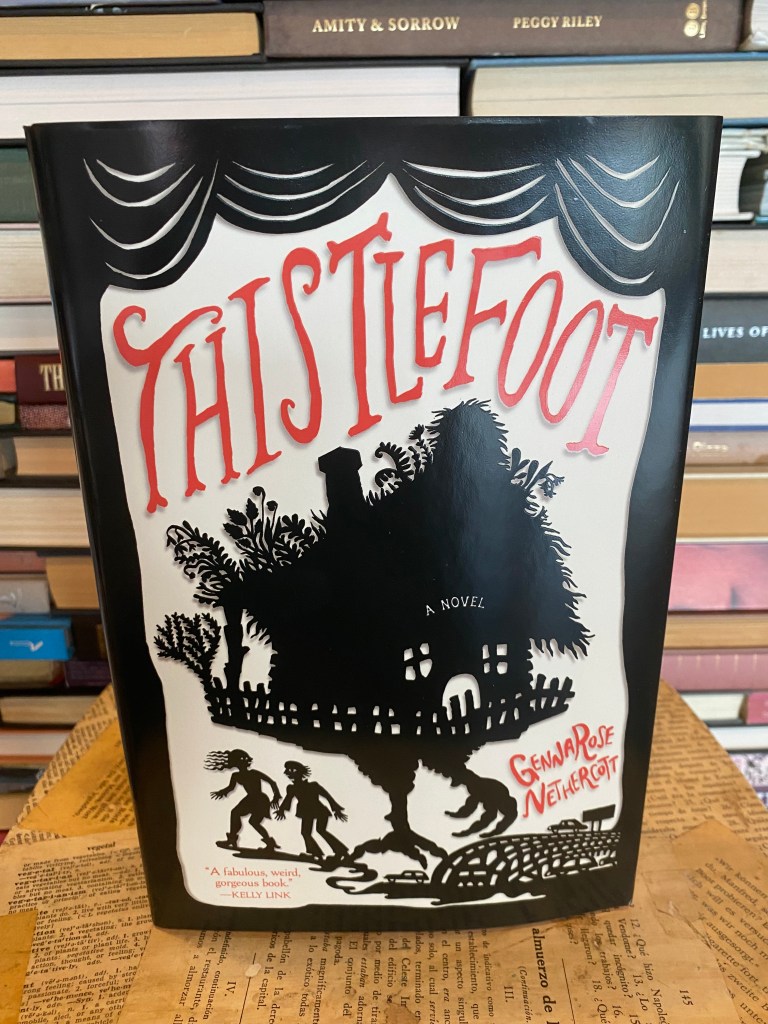
Thistlefoot, by GennaRose Netercott
I am joining a loving chorus of bookstore enthusiasm for this Baba Yaga story about Baba’s two youngest desendents, living in America, who inherit her house on chicken legs. They are being pursued by a mysterious, supernatual being that wants to kill Thistlefoot (the name of the house itself).
We get the perspectives of both siblings — a bother who is notoriously flakey and insecure with a rough past and a flare for illusion, and a sister who is a bit of a stick in the mud, very determined, and has a haunting ability that she struggles to suppress. We also get snippets from the perspective of the house, shedding light on some fun fictional stories, and also some truly tragic backstory.
This book is hightly reminiscent of the ways authors such as Neil Gaiman pull from fables and mythology and mimic vibrant oral storytelling with the written word. What a joy of a read. – Gideon
The Marriage Portrait, by Maggie O’Farrell
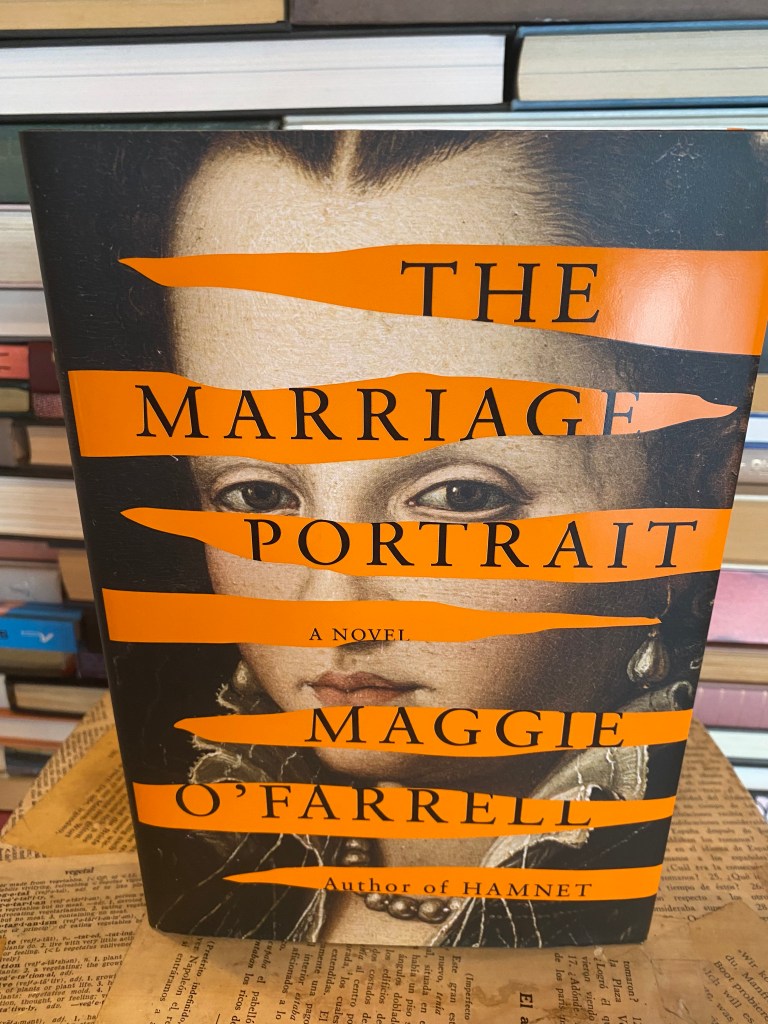
This eerie historical novel opens with a teenage bride, Lucrezia de Mecidici, realizing her husband is plotting to kill her. From this propulsive start, O’Farrell imagines a rich story filled with palace intrigue, quest for power, and lust during the Italian Renaissance.
As a big fan of Florentine history in the time of the Medici’s, I LOVED this book. O’Farrell paints a vivid picture of life as a woman in the peasant and ruling class. I couldn’t put it down. – Mary
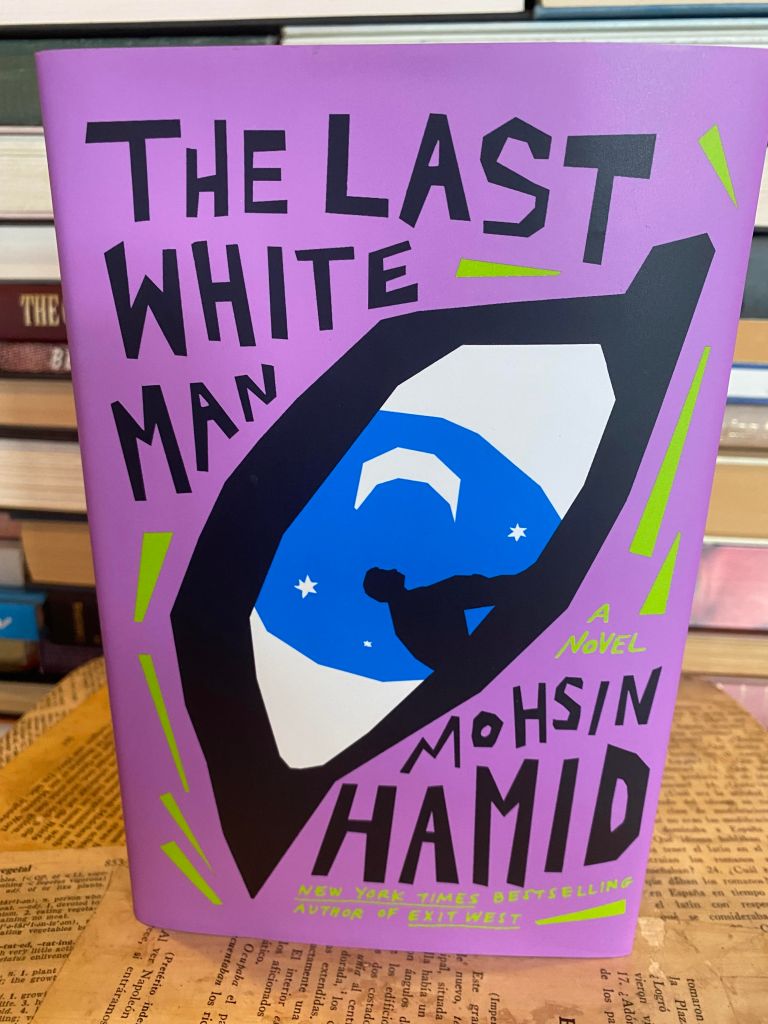
The Last White Man, by Mohsin Hamid
“The way people act around you…it changes WHO you are.” Hamid’s surreal offering in this beautiful novel invites us into the lives of: Anders, a white man who suddenly wakes up with dark brown skin, and Oona, his friend and ex-partner who is white and struggling with the loss of her twin brother. Kafkaesque metamorphosis centers this story, and Hamid’s words are pressing, lyrical, hopeful, and swift. This is a unique and compelling investigation of identity, race, change, and how humans travel through the world. It was a deeply moving and important read. – Karly
Babel: An Arcane History, by R.F. Kuang
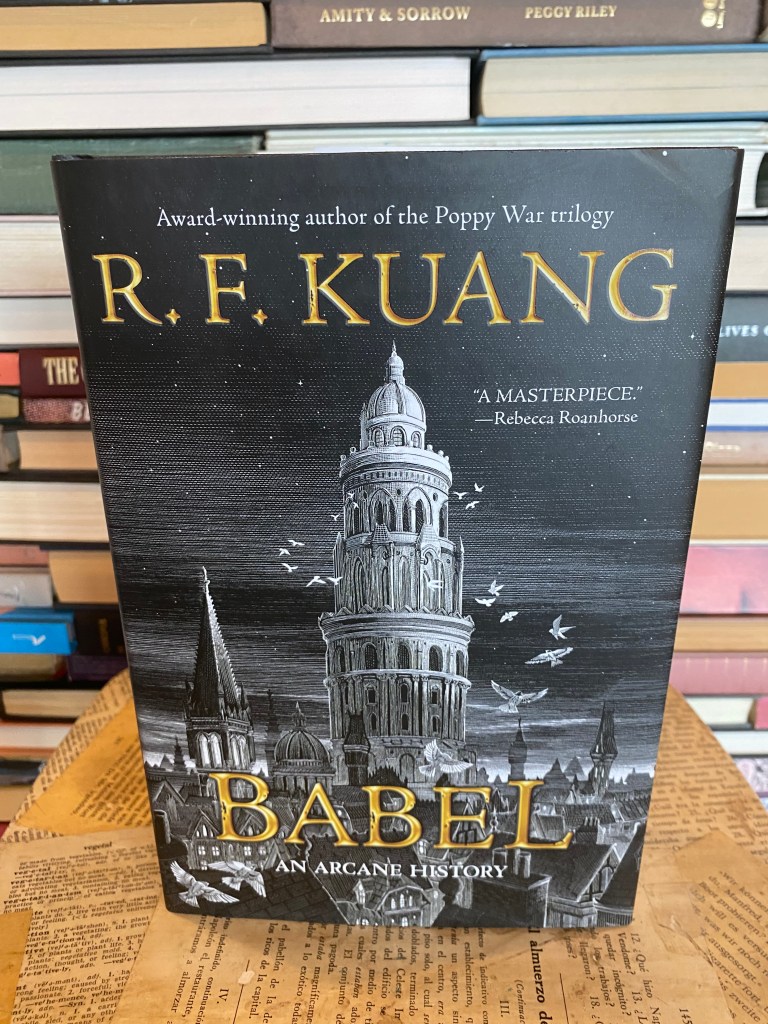
R.F. Kuang is an author I trust to delve into the grit, the horrors, the details of history (particularly Chinese history) with a magical lilt. Having loved Kuang’s Poppy War trilogy; a spiraling tragedy that pulls inspiration from the Second Sino-Japanese war and is heavy on war, politics, strategy, and the cost of it all–I was eager to read this latest; Babel: Or the Necessity of Violence: An Arcane History of Oxford Translator’s Revolution. Yes, take in the whole title, Kuang is a PHD student in East Asian Languages and Literature at Yale and it shows through her work (there are footnotes in Babel!).
Babel is a dark academia exploration of colonialism (British Imperialism, colonial resistance), racism, identity translation and language (as a tool /weapon), student revolutions, friendship and so much more.
The protagonist is Robin Swift (chosen name) an orphan from Canton, brought to London by Professor Lovell from Oxford, with the intent to train at the translation institute at Oxford. Robin is sheltered at Oxford with a strong cohort, nestled into a seeming fairytale utopia. But of course, this vision does not hold. Robin must confront the division between the bubble of Oxford and the world/culture he came from and untimately chose a side. Following Robin and his cohort through their time at school and beyond will enthrall and devastate you. – Calla
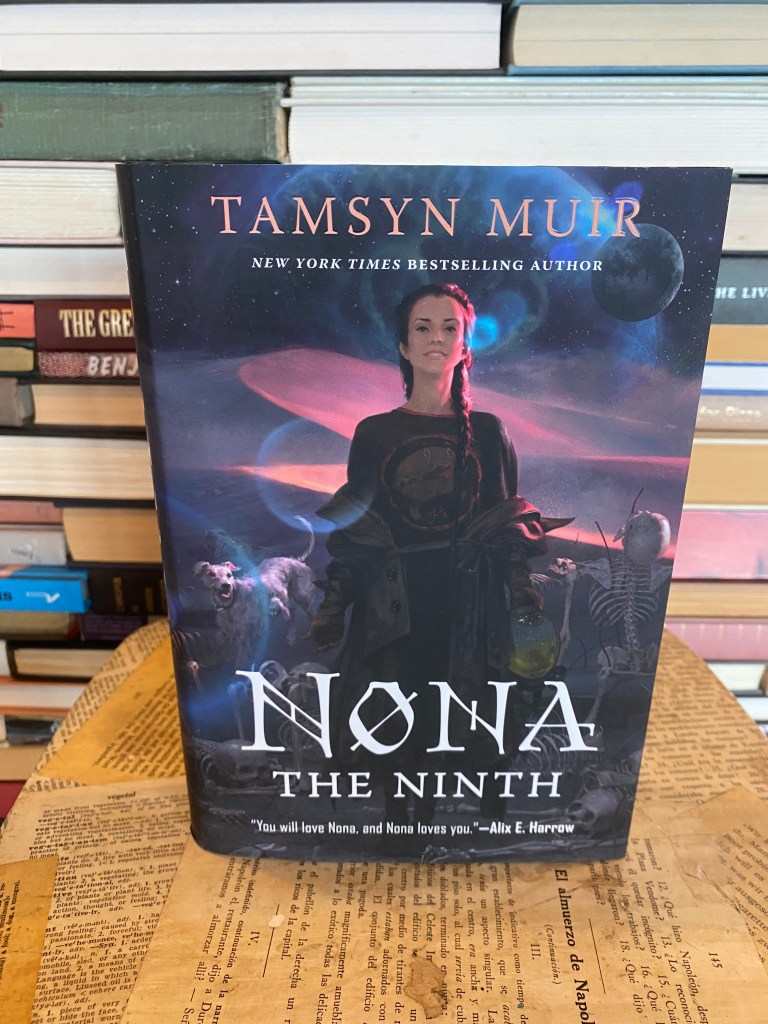
Nona the Ninth, by Tamsyn Muir
I know I don’t have to convince the many avid fans of Tamsyn Muir and this extraordinary series, but I’d love to offer some fast facts about Nona:
— this book, like its predecesors, is tonally unique and more like a warm hug with is lovable characters and narrator, who may be just as confused as the reader.
— despite its gentle tone, it is just as devastating, answering many burning questions and replacing them with more.
— It has the bestest good dog named Noodle, who has 6 legs.
— it was meant to be the first act of the final book, Alecto the Ninth, but Nona grew into her own installment.
— Alecto will be the final book due out fall of next year. – Gideon
A Map For the Missing, by Belinda Huijang Tang
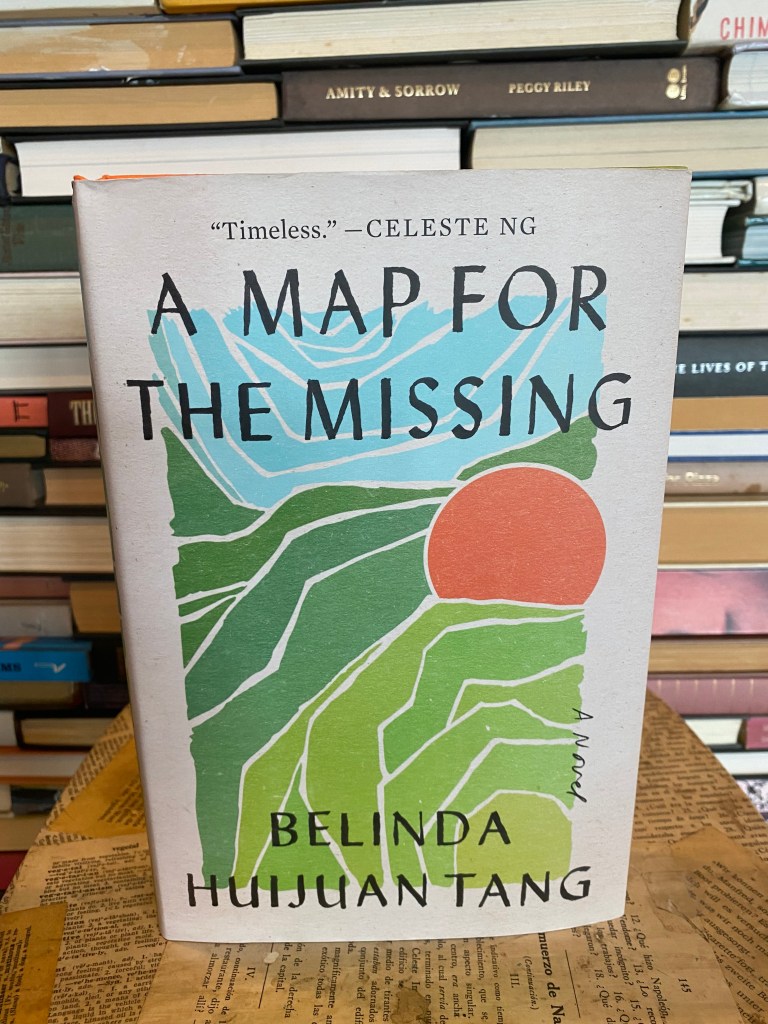
This is a stunning debut novel set in 1990’s China. A young college professor returns to his childhood home from the U.S. following a call from his mother that his elderly father is missing. Flashbacks to the culrual revolution create a beautiful story that reckons with the costs of pursuing one’s dreams and the lives left behind. A spectacular, devastating read! – Mary
 this is a bookblog