by Bookseller Sally, a non-poetry person
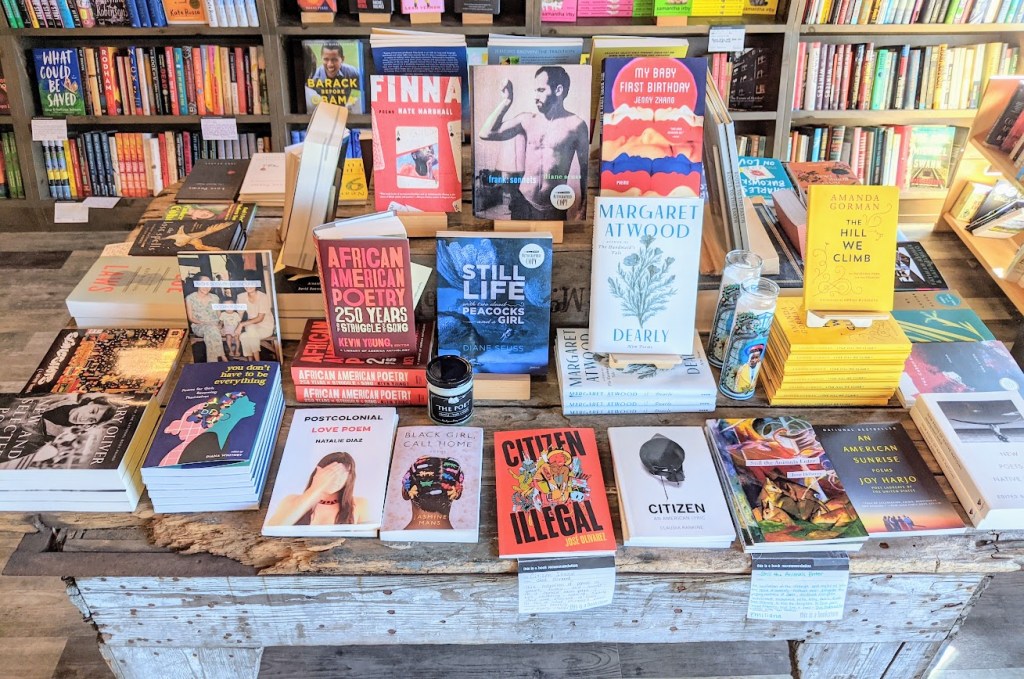
I have a confession to make — I often feel like I’m not very good at reading poetry.
Don’t get me wrong, I enjoy reading poetry from time to time, and I even took a class or two back in undergrad (with local legend Diane Seuss, no less!) But somehow I think I internalized the idea, a long, long time ago, that there are “poetry people” and “non-poetry people,” and I guess I’m just the latter.
Of course this is ridiculous, and the longer I work in a bookstore, the more opportunities I have to explore the beautiful variety of poetry that is available for readers young and old. Poetry takes so many forms – long or short, wide or narrow, rhyming or free-verse, silly or melancholy, concrete or etherial – and different readers will connect with different things.
So, just in case you think you are also a non-poetry person, here are some things I’ve discovered that have helped me realize that maybe – just maybe – I could be a poetry person too.
1. I love kids’ books that rhyme
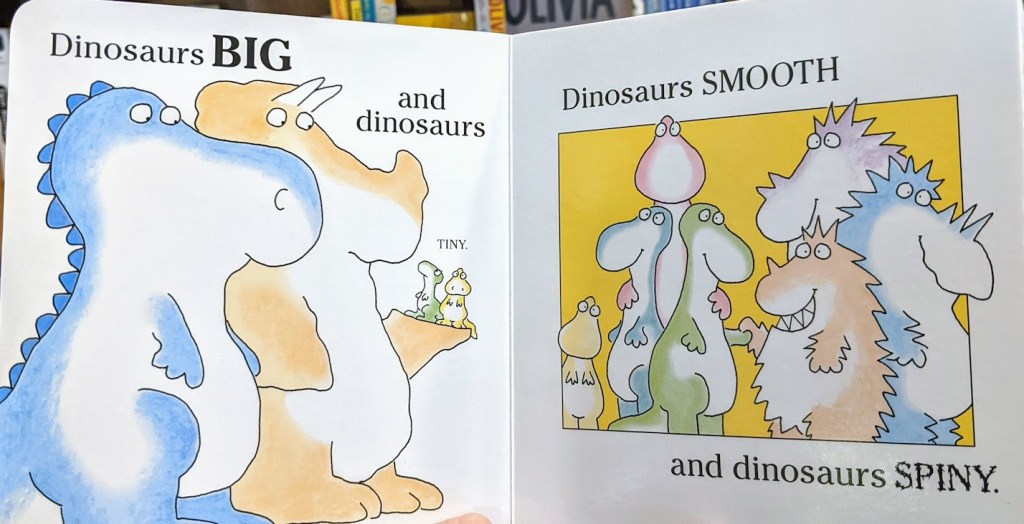
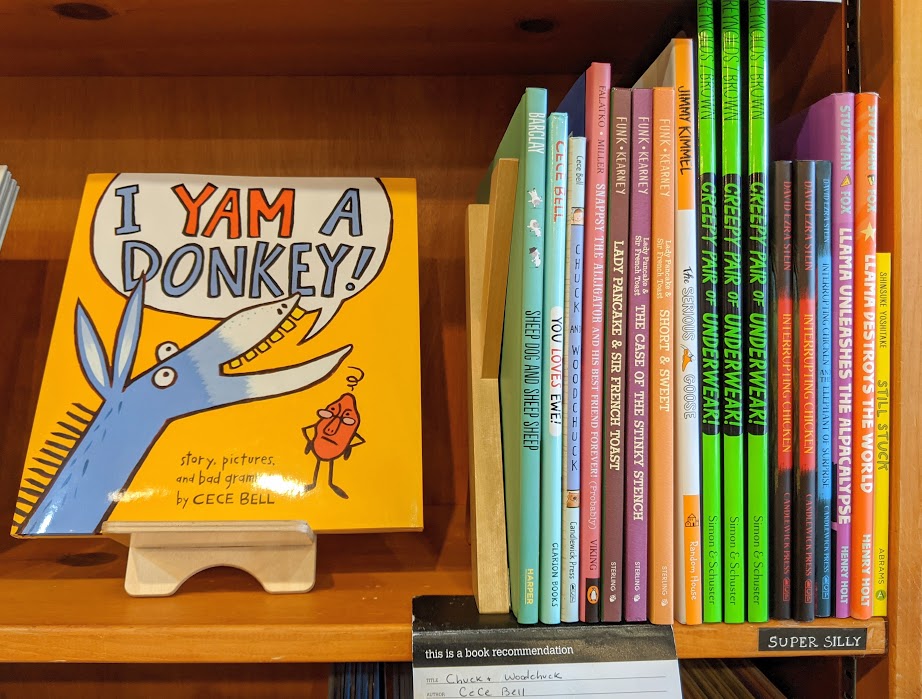
Kids love rhymes and rhythm, and with good reason! Rhyming is fun! It’s silly! It makes language playful, creative, and engaging. Whether it’s one of Sandra Boynton‘s extensive selection of board books, Chicka Chicka Boom Boom, Josh Funk’s Lady Pancake and Sir French Toast, or so many more, I find that rhyming books are some of my favorites among our collection in Bookbug.
2. I love structured poems
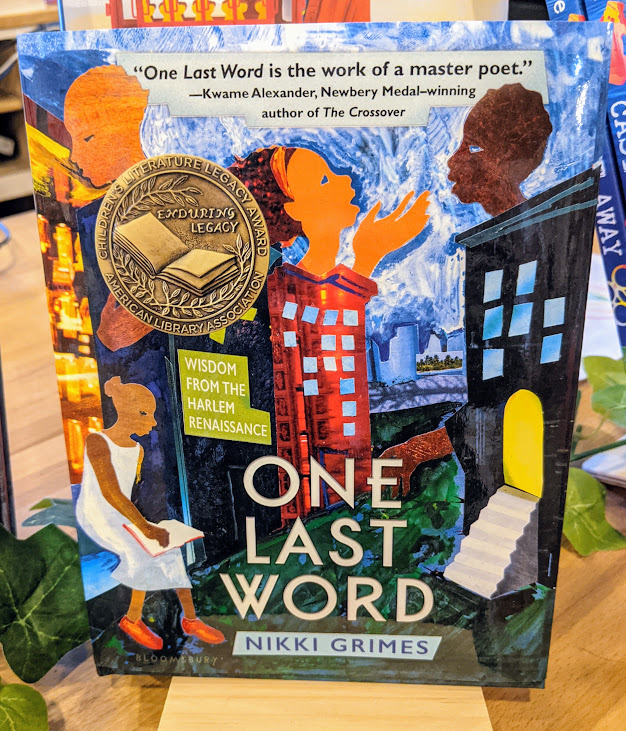
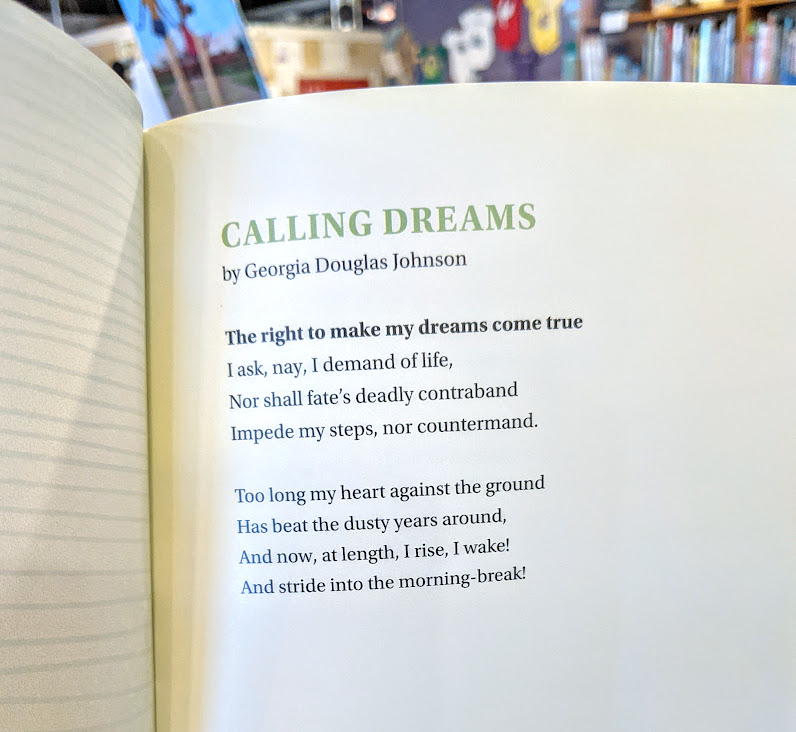
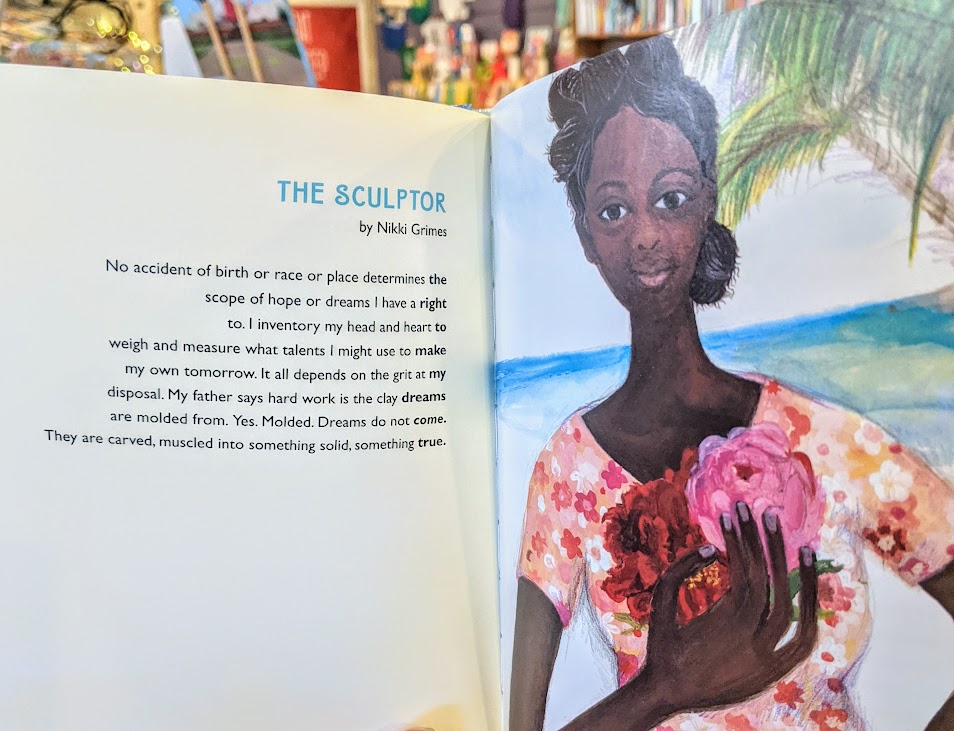
I don’t even care what the structure is, necessarily. Take, for example, Nikki Grimes’ “golden shovel” poems (like this one, above, in One Last Word). Grimes chooses a source poem, highlights a line, and then builds her own poems with that source line cascading down the right side of the page.
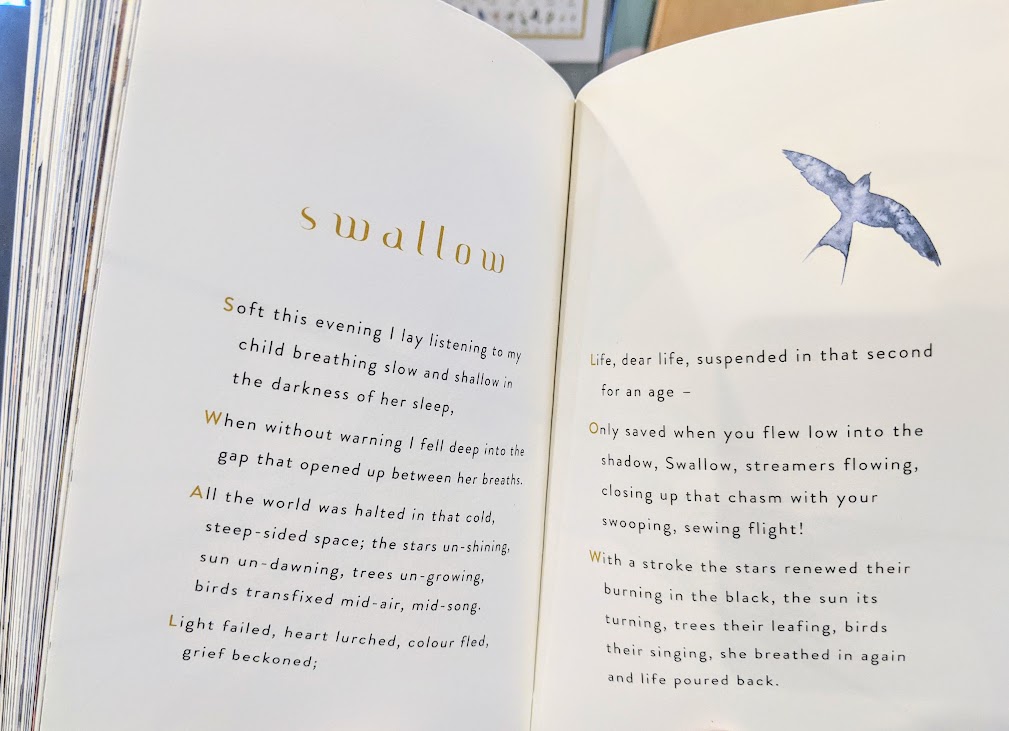
The Lost Spells (below) is another beautiful example of structured poetry, inspired by words from the natural world.
Whatever the structure, I love imagining this little window into the poet’s process – how she chooses a form and finds new freedom within constraint.
3. I love novels in verse
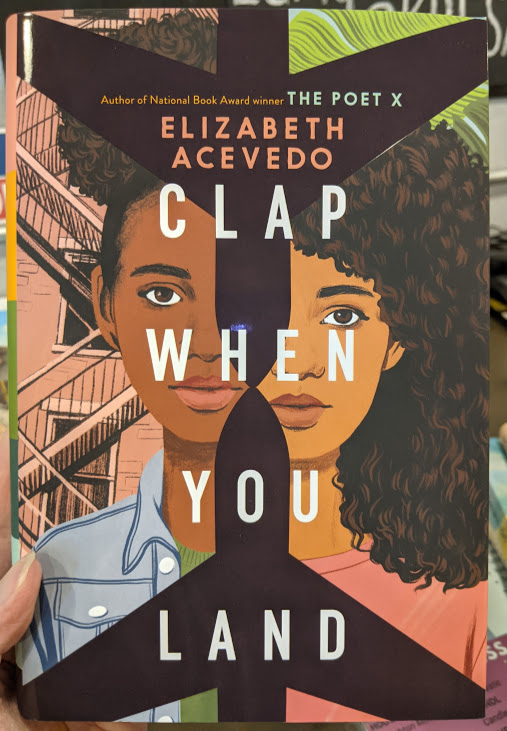
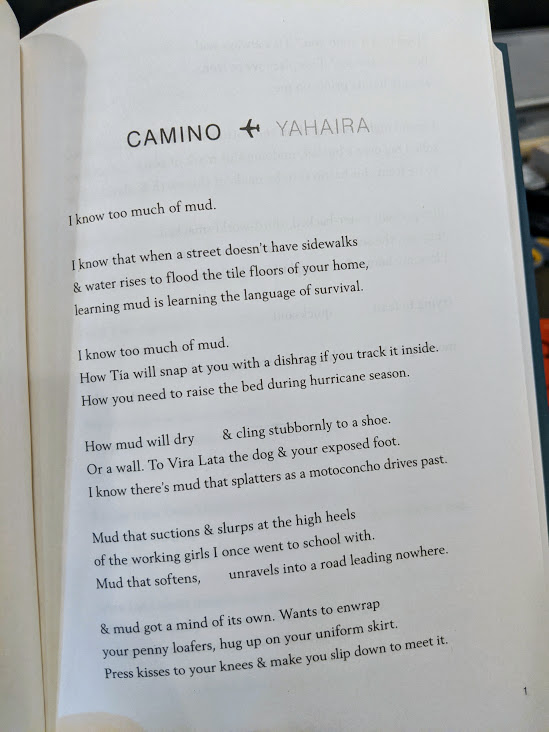
This is an especially popular genre among middle grades and young adult books, in which whole novels are written as free-verse poems, with line breaks and stanzas, making the text lyrical and inviting.
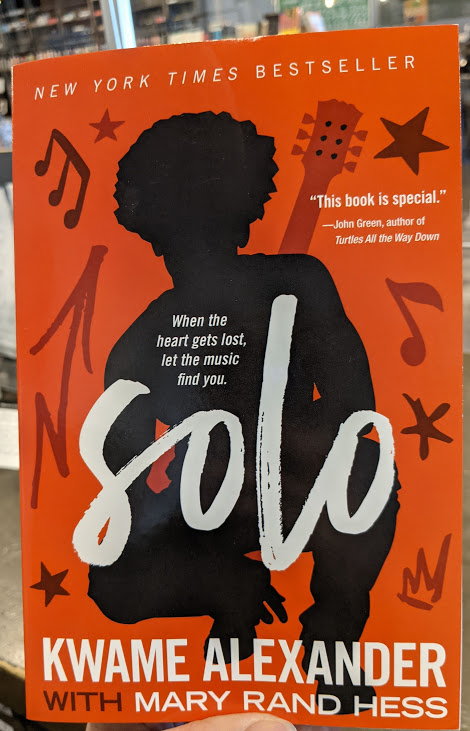
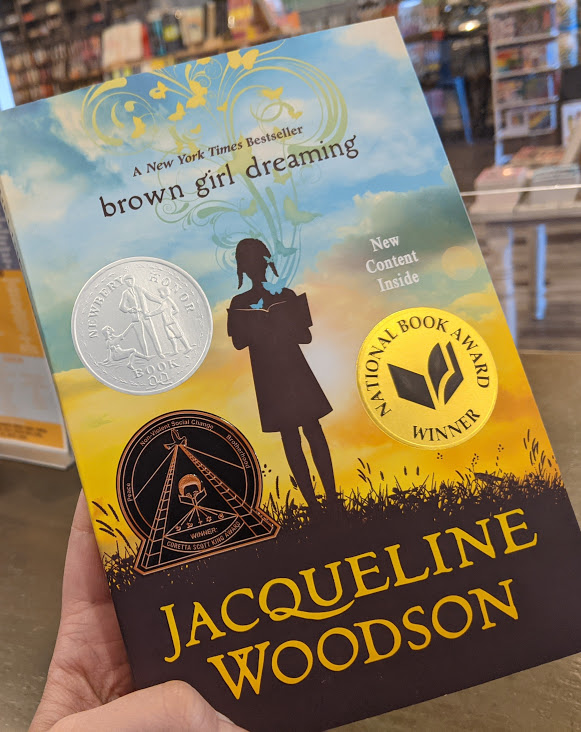
Authors such as Elizabeth Acevedo (Clap When You Land, above; The Poet X), Kwame Alexander (e.g., Solo, Swing, The Crossover series), Jason Reynolds (Long Way Down), Sharon Creech (Love that Dog), Jacqueline Woodson (Brown Girl Dreaming, Before the Ever After), and Jasmine Warga (Other Words for Home) (and many more) have used this form with great success.
4. I love poems that play with shape
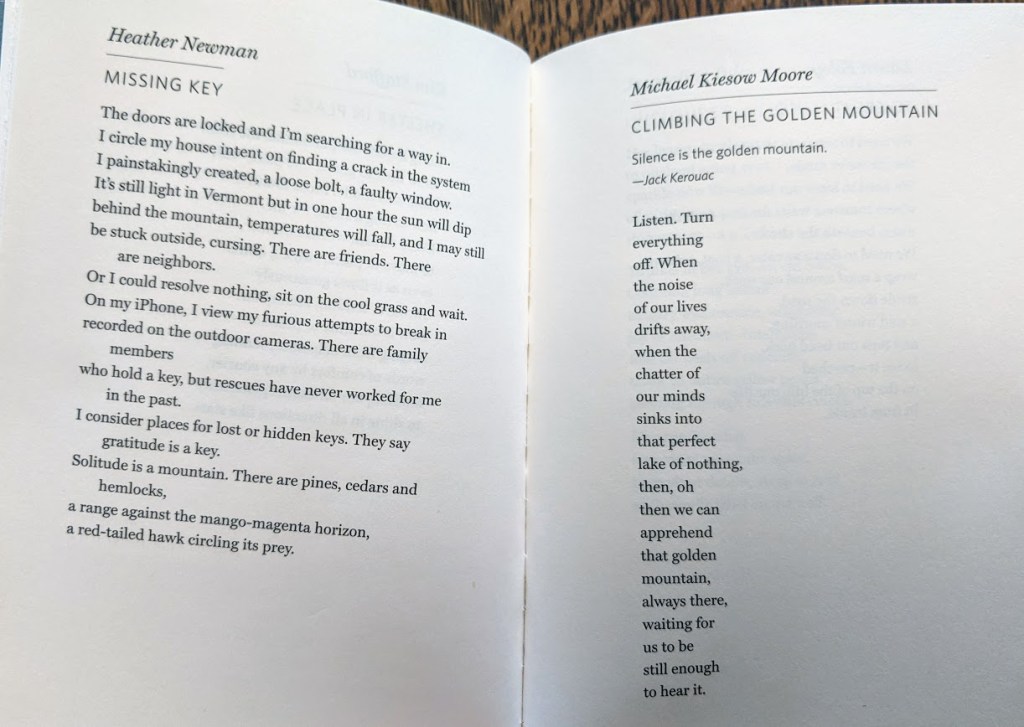
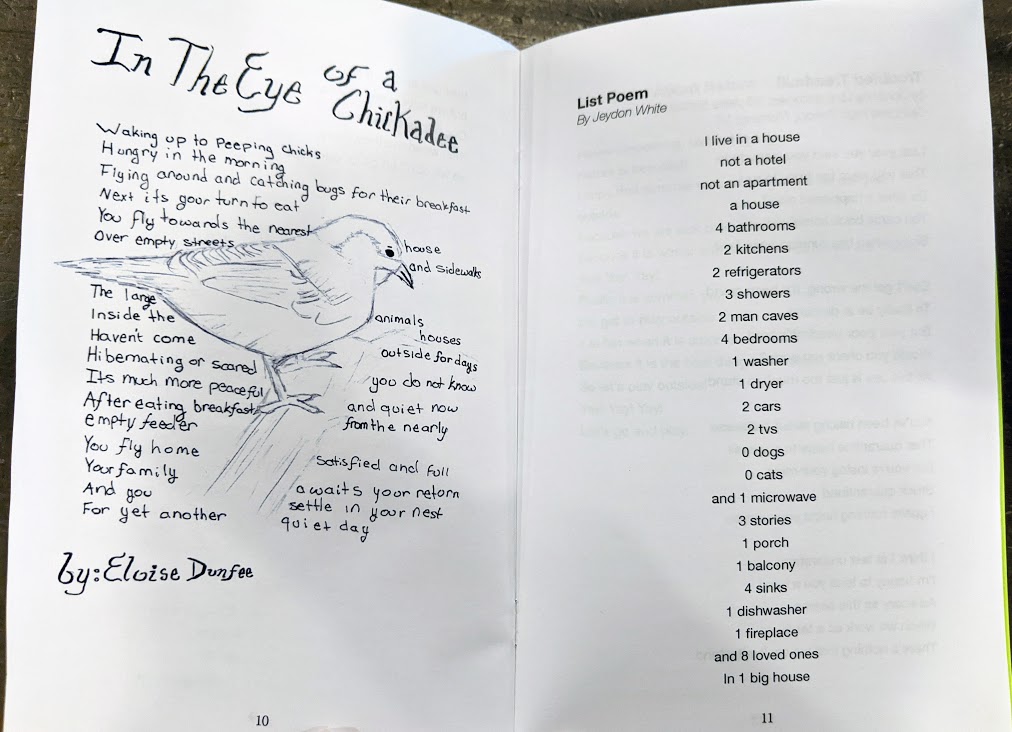
Poetry is such a versatile medium that invites creativity both in word choice and in the physical presentation on the page. Take, for example, these two poems (above) from How to Love the World, or the two below from Shelter in Place: Stories and Words from the Socially Distant Front Lines of HOME by the youth of Read and Write Kalamazoo.
I love how the shape of a poem affects how I read it – slowly or quickly, smoothly or sharply – and how I get to feel, again, that connection to the poet as craftsperson, guiding me to their truth.
5. I love when poetry makes me pause
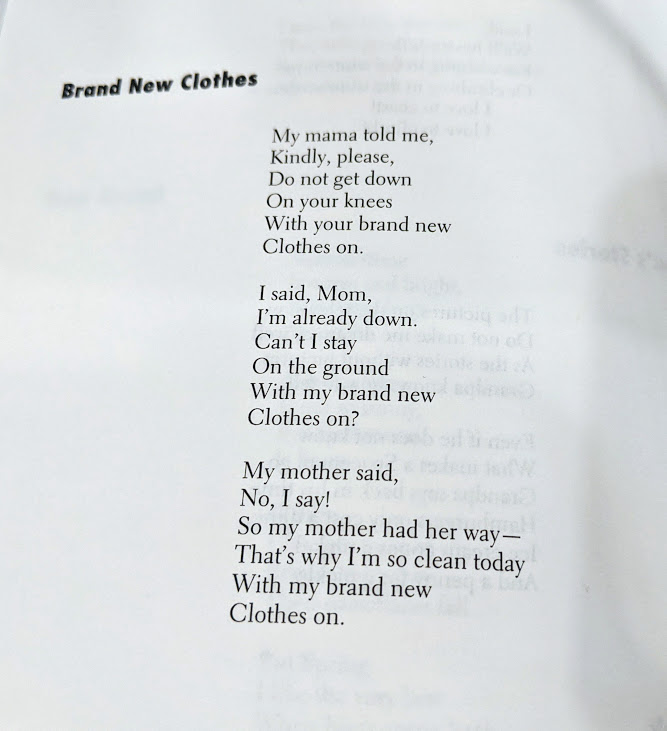
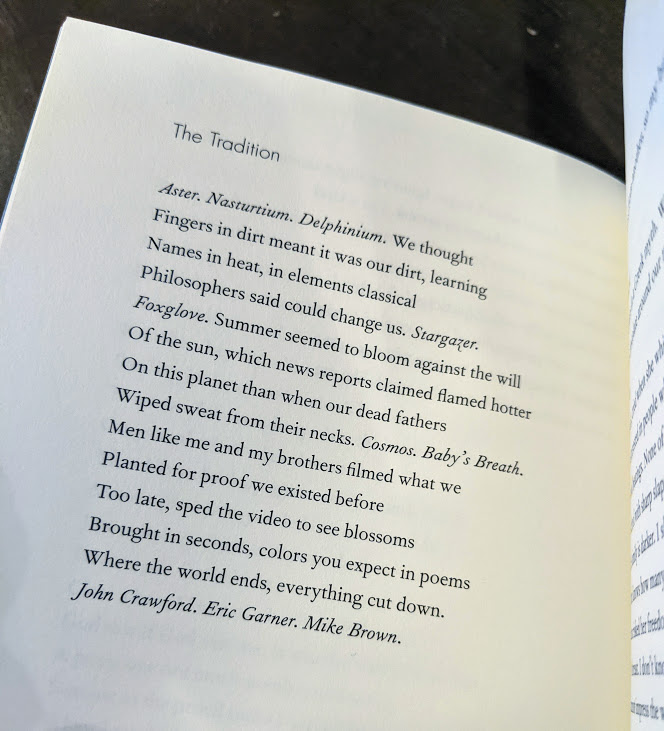
Above: “Brand New Clothes” by Langston Hughes (in The Collected Poems of Langston Hughes) and “The Tradition” by Jericho Brown (in The Tradition)
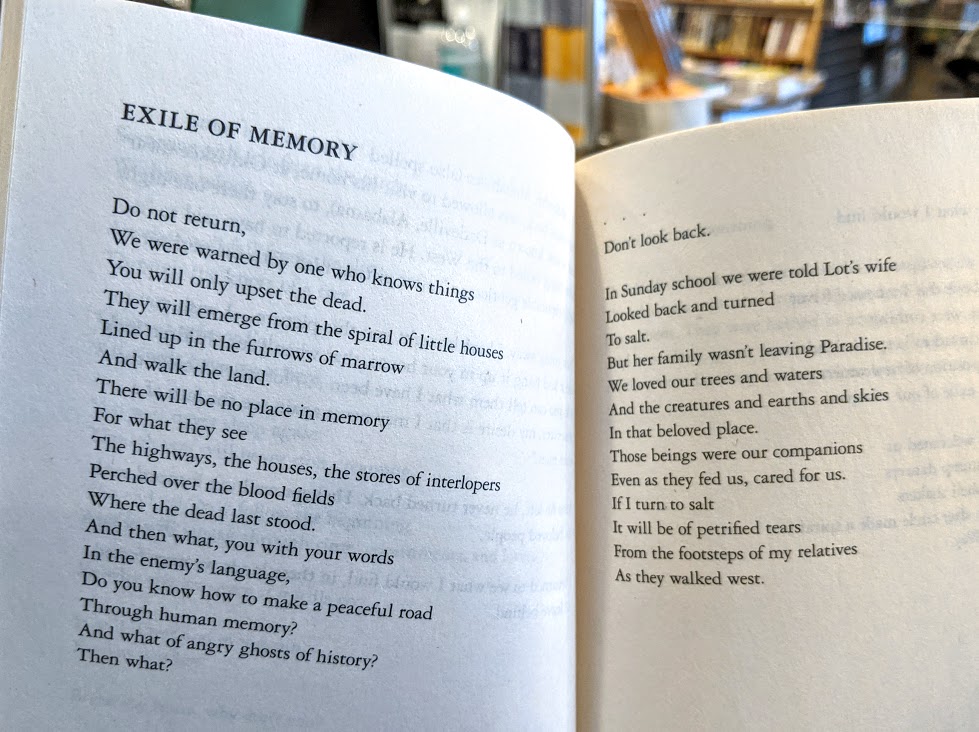
“Exile of Memory” by Joy Harjo (in An American Sunrise)
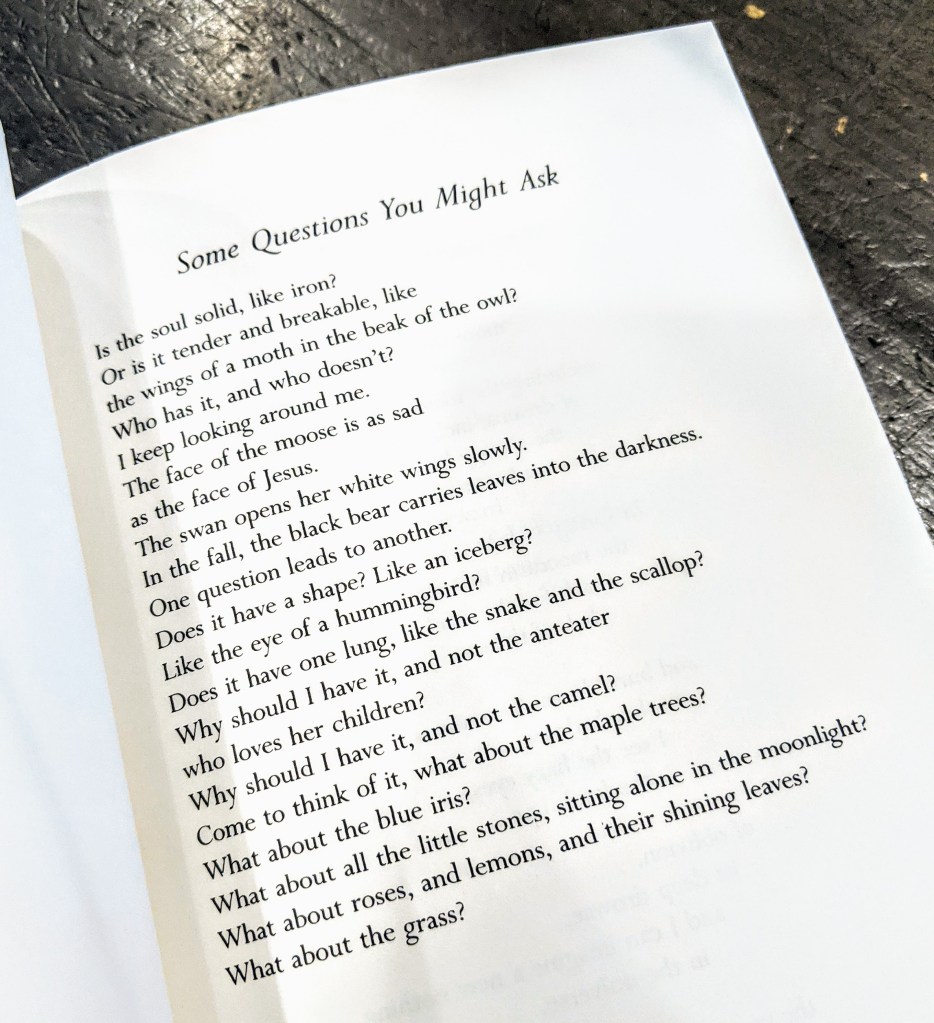
“Some Questions You Might Ask” by Mary Oliver (in New and Selected Poems, Volume One)
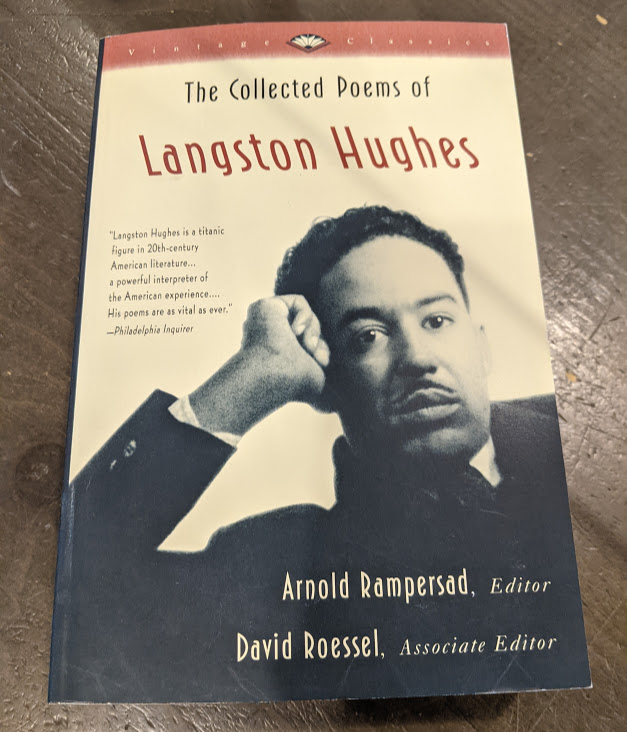
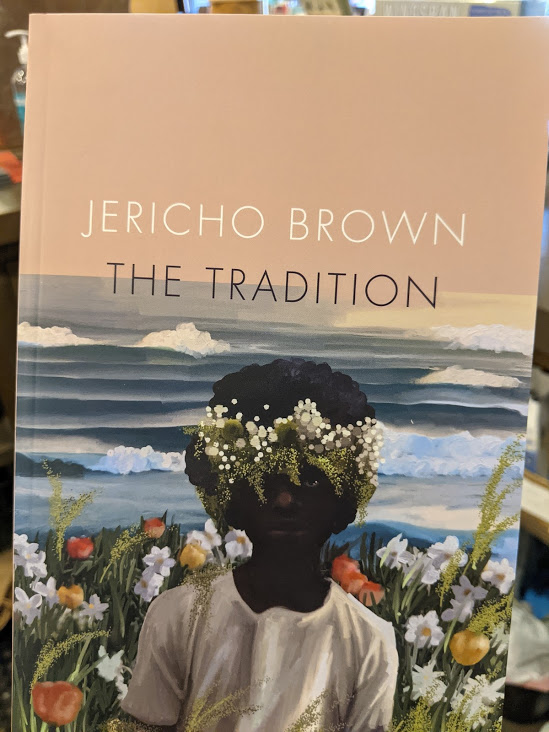
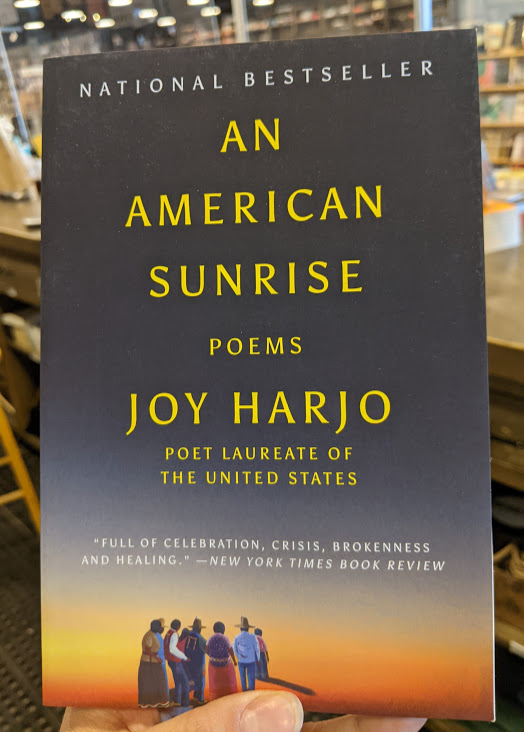
I love the power of poetry to bring life to a stop, even just for a moment.
Sometimes it’s a breathless pause, sometimes contented.
A pause of recognition, of resonance.
A pause of wonder or grief.
A moment with myself and another soul, somewhere in time.
Whether you consider yourself a “poetry person” or still feel like a novice, you can browse our featured National Poetry Month selections here: https://www.bookbugkalamazoo.com/national-poetry-month-2021




 this is a bookblog